Smallmouth Bass
Micropterus dolomieu
Pound for pound the hardest-fighting freshwater fish, known for acrobatic leaps and bulldogging runs.

If largemouth bass are the king of freshwater fishing, smallmouth bass are the heavyweight champion. Ounce for ounce, no freshwater fish fights harder than a bronzeback. Their combination of raw power, acrobatic leaps, and relentless bulldogging runs makes every smallmouth encounter memorable. Found in clean rivers and clear lakes across the northern United States and into southern Canada, smallmouth bass are a true sportfish that rewards skill and presentation.
Biology & Appearance
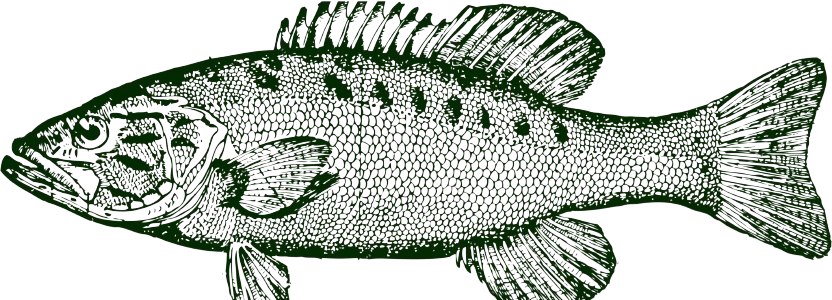
The smallmouth bass is easily distinguished from its largemouth relative by its jaw, which never extends past the eye. Coloration ranges from golden-bronze to dark brown with distinctive vertical bar markings along the flanks. These markings can fade or intensify depending on stress and activity level. Smallmouth are cool-water predators that prefer temperatures between 60-75°F and require higher dissolved oxygen levels than largemouth. This habitat preference keeps them in cleaner, higher-quality waters.
Habitat & Distribution
Smallmouth are structure-oriented fish that relate primarily to rock. River smallmouth position behind current-breaking boulders, along gravel bars, and in deep eddies. Lake fish favor rocky points, shoals, bluffs, and boulder fields. Unlike largemouth, smallmouth rarely associate with vegetation. Water clarity is critically important — the best smallmouth waters have visibility of at least 3-4 feet, with many trophy fisheries having 10+ feet of clarity.
Best Seasons for Fishing
Spring
Smallmouth move to gravel spawning flats in 55-65°F water. Target rocky banks, points, and gravel bars with tubes, ned rigs, and jerkbaits. Pre-spawn fish stage on adjacent deeper structure before moving shallow.
Summer
Peak action on rivers and lakes. Smallmouth actively feed on crayfish and baitfish around current breaks, rocky shoals, and main lake points. Topwater and crankbaits excel at dawn; drop shots and tubes work all day.
Fall
Aggressive fall feeding as fish bulk up for winter. Follow the baitfish to main lake points and deep structure. Jerkbaits, crankbaits, and swimbaits produce quality fish. One of the best seasons for trophy smallmouth.
Winter
Smallmouth go deep and become less active. Target steep rock walls, deep points, and channel swings with hair jigs, blade baits, and drop shots. Extremely slow presentations required.
Effective Fishing Techniques
Tube Jig
The classic smallmouth bait. Rig a 3-4" tube on a 1/4 to 3/8 oz internal jig head and drag it over rocky bottoms. The spiraling fall action imitates a dying crayfish — smallmouth can't resist. Works in rivers and lakes year-round.
Ned Rig
A small mushroom head jig (1/8-1/4 oz) with a trimmed stick bait. The Ned rig is devastating on pressured smallmouth in clear water. Fish it on light spinning gear and simply drag it along the bottom with subtle rod shakes.
River Wading
Wade fishing for smallmouth in flowing rivers is a pinnacle freshwater experience. Target current breaks behind boulders, eddies, and pool tailouts with tube jigs, swimbaits, and topwater. Reading current is essential.
Jerkbaits
Suspending jerkbaits excel in cold to cool water (45-60°F). A sharp snap-pause-pause cadence triggers explosive reaction strikes from smallmouth. Clear or natural shad colors in clear water; chartreuse or firetiger in stained.
Tackle & Gear Recommendations
| Gear Type | Recommendation |
|---|---|
| Rod | 6'6" to 7' medium spinning rod with fast tip |
| Reel | 2500-size spinning reel with smooth drag |
| Line | 6-8 lb fluorocarbon or 10 lb braid with fluorocarbon leader |
| Lures | Tubes, ned rigs, jerkbaits, topwater poppers, crankbaits, hair jigs |
Pro Tips for Success
Smallmouth are almost always near rocks — if you see rock, you'll find smallmouth.
In rivers, fish the seams where fast water meets slow water.
Light line and finesse presentations are critical in clear water.
Crayfish are the primary forage — match colors: green pumpkin, brown, orange.
Dawn topwater fishing for smallmouth on rivers is a bucket-list experience.
Frequently Asked Questions
Where is the best smallmouth bass fishing in America?
The Great Lakes region (Lake Erie, Lake St. Clair, Lake Michigan) offers world-class smallmouth fishing with fish averaging 3-5 lbs. Top rivers include the Susquehanna (PA), Upper Mississippi (MN/WI), and Muskegon (MI). Dale Hollow Lake (TN) produced the all-tackle world record. Northern Maine lakes also hold trophy smallmouth.
What is the difference between largemouth and smallmouth bass?
Smallmouth bass have a jaw that does not extend past the eye (largemouth jaw extends past). Smallmouth prefer cooler, clearer water with rocky structure, while largemouth favor warmer, vegetated waters. Smallmouth are bronze/brown with vertical bars; largemouth are green with a horizontal stripe. Smallmouth fight harder pound-for-pound.
Where is the best place to catch Smallmouth Bass?
The best places to catch Smallmouth Bass are in Cool, clear rivers and lakes with rocky structure. Top states include MI, NY, WI. Local knowledge and seasonal patterns are key to finding productive spots.
What is the world record Smallmouth Bass?
The world record Smallmouth Bass weighs 11 lbs 15 oz (David Hayes, 1955, Dale Hollow Lake, TN). This represents the largest authenticated catch on record. Most anglers pursue fish in the 1-3 lbs (12-17 inches) range.
What month is best for Smallmouth Bass fishing?
The best months for Smallmouth Bass fishing vary by location. Spring and summer typically offer excellent opportunities. Check your local regulations and seasonal guides for the most current information on your target waters.
What water temperature do Smallmouth Bass prefer?
Smallmouth Bass thrive in waters with specific temperature ranges depending on the season. Monitor water temperature when planning your fishing trip for optimal success and catch rates.
Can you catch Smallmouth Bass from shore?
Yes, Smallmouth Bass can often be caught from shore in suitable habitats like Cool, clear rivers and lakes with rocky structure. Use appropriate gear and techniques for your chosen location. Always check local regulations before fishing.
What bait works best for Smallmouth Bass?
Live bait, artificial lures, and specialized tackle are effective for Smallmouth Bass. Check the techniques and gear sections above for detailed recommendations based on your preferred fishing method.
Is Smallmouth Bass good to eat?
Smallmouth Bass is valued both as a game fish and for its culinary qualities in many regions. Check your local fishing regulations for specific rules about harvest and consumption.
What size hook for Smallmouth Bass?
Hook size depends on your target Smallmouth Bass size and bait choice. Medium to large hooks are typically recommended. See the gear breakdown section for specific tackle recommendations.